
Customer Stories
Discover how leading organizations are transforming their wind energy operations with Kavaken

Cross-Turbine Comparison Exposes Faulty Gearbox Cooling Valve
When the OEM attributed abnormal temperatures to model differences, cross-turbine comparison revealed the real culprit—a faulty thermal bypass valve that standard checks had missed.

Electrical Relay Fault Revealed by Subtle Pitch Box Temperature Anomaly
A minor electrical defect inside the pitch box went unnoticed until heat patterns exposed a welded relay contact disrupting the box’s temperature control.

Airflow Restriction Behind Generator Bearing Overheating
A subtle temperature rise in the generator bearing traced back not to a lubrication fault but restricted airflow. A simple duct cleaning restored normal operation and avoided a potential bearing failure.

Hidden Cooling Inefficiency Behind Generator Winding Temperature Rise
A gradual rise in generator winding temperatures revealed a hidden cooling inefficiency that required multiple interventions before full recovery.

Yaw Sensor Misalignment Behind Long-Term Power Loss
Kavaken uncovered a static yaw misalignment that had been quietly reducing power output for months. The calibration issue in the wind direction sensors was identified and corrected, restoring expected performance levels.

Cooling Inefficiency Behind Transformer Overheating
A steady temperature rise in the transformer went unnoticed by standard systems until Kavaken’s analysis revealed a cooling inefficiency caused by clogged ventilation grills.

When an Oil Top-Up Wasn’t Enough
A rise in bearing temperature first seemed fixable with an oil top-up, but continued monitoring proved a full flushing was needed to restore normal operation.

Bearing Misalignment Found Weeks Before CMS Alarm
Weeks before the CMS alarm, Kavaken had already flagged rising temperatures pointing to a bearing misalignment later confirmed by the site team.
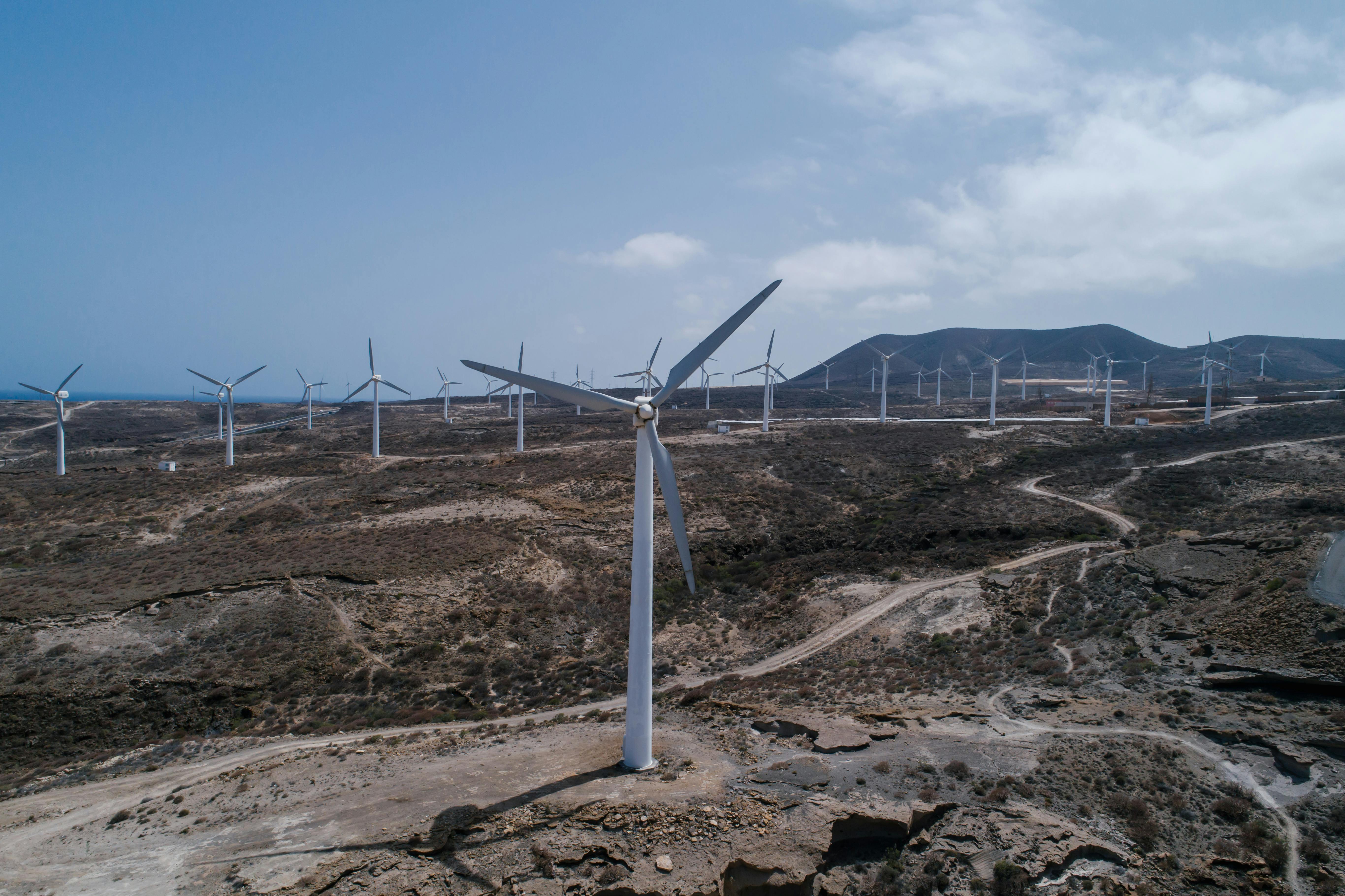
Power Curve Restored After Blade Load Sensor Replacement
A sudden drop in turbine performance was detected as it switched to a different power curve mode. Further analysis traced the cause to a faulty blade load sensor, which was replaced to restore full power output.